
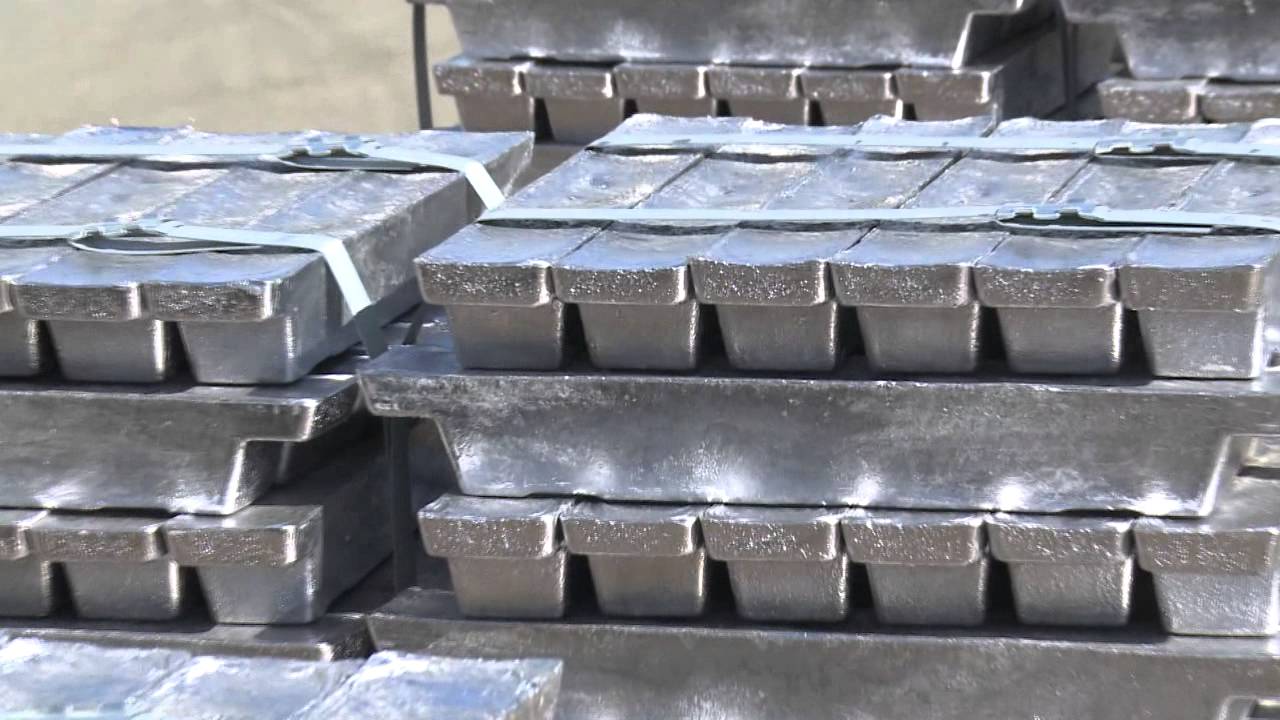
A metal alloy is a substance that combines more than one metal or mixes a metal with other non-metallic elements.
For example, brass is an alloy of two metals: copper and zinc. Steel is an alloy of a metallic element (iron) and a small amount — up to 2% — of a non-metallic element (carbon).
Alloys are an example of “teamwork makes the dream work,” since each substance within the alloy lends its own properties to the solution or mixture. Some alloys will take the best attributes of each contributing element and create a final product that is harder, more durable, and/or more resistant to corrosion.
The careful chemistry that goes into creating these precise ratios ultimately produces substances with unique, useful properties.
Digging a bit deeper into alloy chemistry demonstrates why alloys are so useful in such a wide variety of industries.
Because alloys combine different elements, they contain atoms of different sizes. How these atoms combine and interact with one another gives alloys their classification. In alloy chemistry, an alloy can be classified as substitutional or interstitial, according to its atomic arrangement.
A substituational alloy is formed from atom exchange mechanisms. The metallic components have similar atomic radii and chemical-bonding capabilities, so the atoms from one metal can occupy the same sites as their counterpart in the atomic metal lattice. Well-known substitutional alloys include brass and bronze.
An interstitial alloy is formed when smaller atoms from one element fill the holes of the metal lattice. The atoms from each element do not occupy the same sites. Steel is an example of an interstitial alloy. In the case of steel, the smaller carbon atoms fill in spaces between iron atoms.
Chemistry is fascinating, but we’ll get to the point: in both instances, the atoms in the alloy are unable to slide over each other as easily as those in a pure metal, meaning that the alloy is stronger and harder than either of the pure metals used to create it. Think of it like velcro: if you only have one side of the velcro, it won’t stick to itself as firmly as the contrasting loops and hooks will grip together.
Photo of Cold Rolled Steel in warehousePure metals are rarely used in manufacturing as they are too malleable, or soft. But as we demonstrated above, alloying a metal often enhances its properties. Some alloys are created to have better resistance to corrosion or better conductivity, and some are created to significantly increase their load-bearing capabilities.
The physical properties of an alloy — such as conductivity, reactivity, and density — may not differ significantly from its constituent elements. However, the engineering properties of an alloy — such as shear strength and tensile strength — may be substantially different.
Because of this, metal alloys are in high demand in a variety of applications and industries such as manufacturing, electronics, domestic goods, architecture, plumbing, and the automotive and aerospace industries.

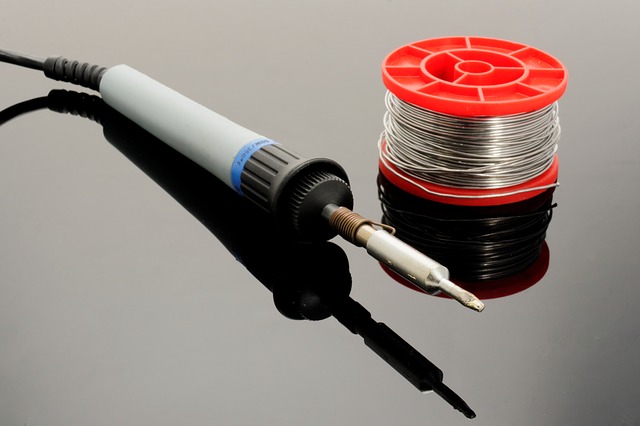

TONASSA merupakan Perusahaan Timah Solder yang dipercaya karena nama dalam bidangnya. Timah TONASSA diproduksi dengan material terbaik dan diolah dengan pengalaman yang lebih baik, khususnya dibidang Timah Solder Batangan. Dengan semakin berkembangnya kebutuhan di Indonesia khususnya dibidang pengaplikasian solder dan pelapisan timah, kami terus melakukan berbagai macam inovasi dengan peralatan dan sumber daya manusia yang memadai.
Bagikan berita